

Why bringing people into the same space is only the beginning
What does it really mean to bring diverse communities together?
It is easy to think that the answer is simply to create an event, invite people from different backgrounds and provide an opportunity for everyone to meet. And while that is an important first step, our experience at Diversity House has taught us that being in the same room does not necessarily mean being connected.
People can attend the same activity, sit alongside one another and still remain within their familiar groups.
Real connection takes something more.
It begins when people feel welcomed. When they feel comfortable enough to join in. When conversations move beyond polite introductions. When people discover something they have in common, learn from each other and begin to recognise one another as neighbours, friends, colleagues or simply people sharing the same community.
That is where the real value of bringing diverse communities together begins.
Creating opportunities to connect
At Diversity House, we have seen that shared experiences can be powerful ways of bringing people together.
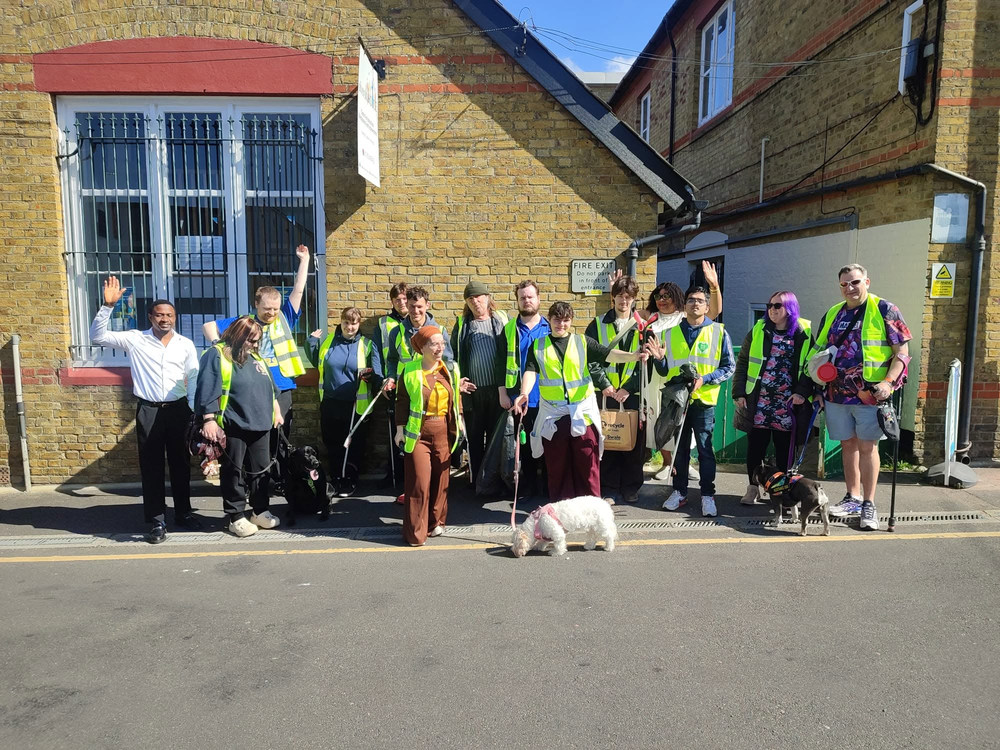
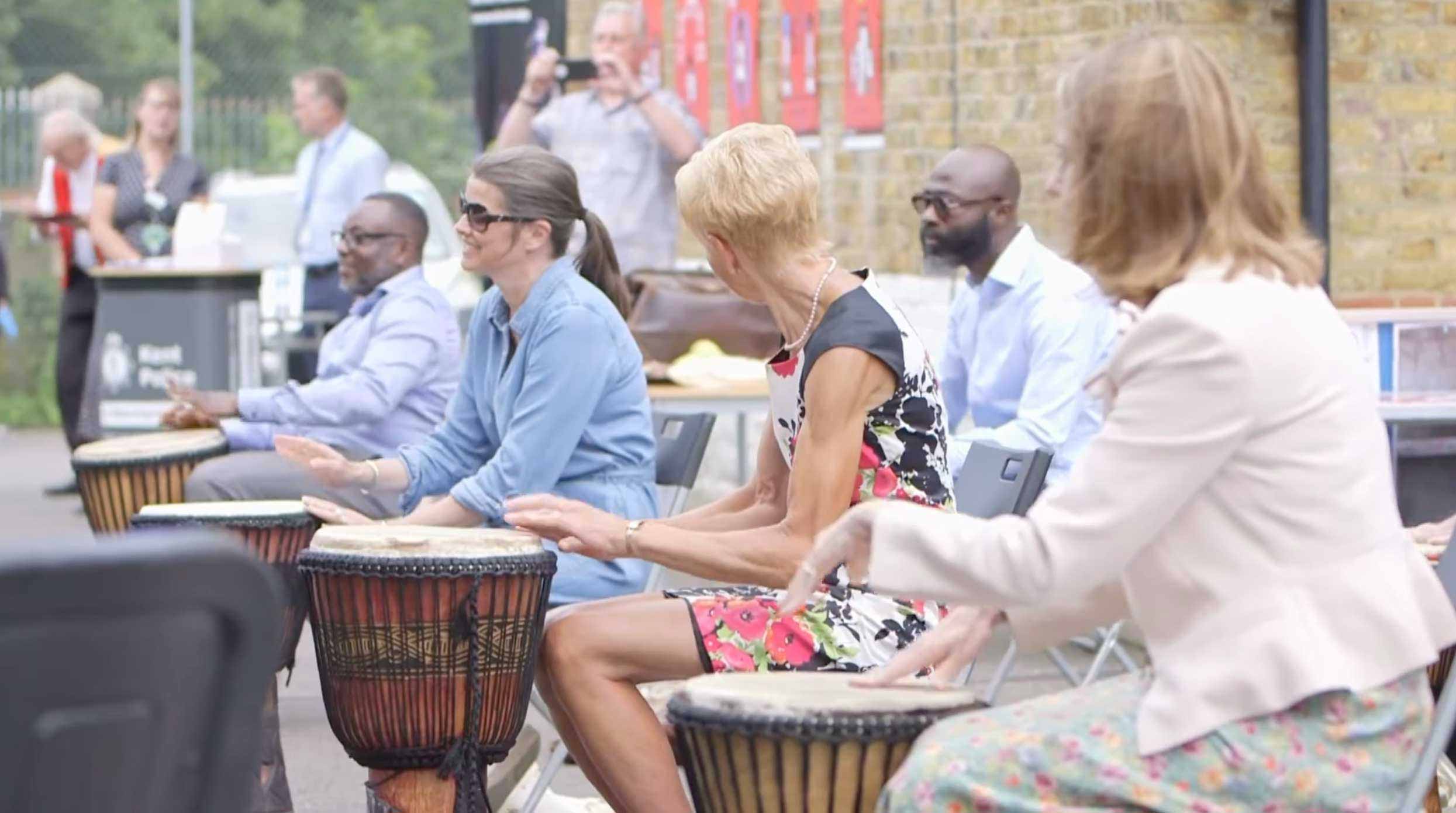
A meal can start a conversation. A walk can create an unexpected friendship. Music and creativity can provide common ground. A family activity can bring generations together. A community conversation can help people discover that, despite different backgrounds and experiences, they may share many of the same hopes and concerns.
This is why we try not to make difference the only focus when bringing communities together.
Instead, we create opportunities for people to do something together.
Our Swale – A Celebration of Cultures programme reflects this approach. Culture provides an important starting point, but the wider purpose is connection: creating welcoming opportunities for residents to meet, participate, share experiences and build relationships across different communities.
Because diversity is about who is present.
Connection is about what happens between people.
Helping people feel able to take part
Of course, getting people through the door is only part of the challenge.
Before someone attends an activity, they may already be wondering whether they will fit in. They may ask themselves: Will I know anyone? Will I be welcome? Will I understand what is happening? Will people understand me? Is this really for someone like me?
These questions matter.
For people who have experienced isolation, discrimination, language barriers, disability, financial hardship or exclusion, simply advertising an activity as “open to everyone” may not be enough.
People need to feel that they are genuinely welcome.
Sometimes that starts with a personal invitation from someone they trust. Sometimes it means having a familiar face waiting when they arrive. It may mean providing information in accessible ways, making activities family-friendly, choosing a venue that people can reach easily, or creating an environment where there is no pressure to participate before someone feels ready.
Small things can make a big difference.
A warm welcome can turn an unfamiliar room into a place where someone feels they belong.
Participation grows from trust
We have also learned that participation looks different for different people.
Some people will walk into a room and immediately get involved. Others may sit quietly, listen and watch before deciding to take part. Neither approach should be seen as a lack of engagement.
The important thing is creating enough trust for people to participate in their own way.
That means not assuming that everyone has the same confidence, communication style or experience.
It also means listening to communities about what would make participation easier.
The question is not simply:
“How do we get people to attend?”
It is:
“What would help this person feel comfortable enough to join in?”
That shift changes how we design activities and how we think about inclusion.
Learning when things do not go as planned
Bringing people together is rewarding, but it is not always straightforward.
Different cultures, generations and life experiences can bring different expectations. There may be misunderstandings, language barriers or reluctance to engage beyond familiar groups. Sometimes an activity does not attract the people we hoped it would. Sometimes something that seemed inclusive on paper does not feel inclusive in practice.
These experiences are important.
Rather than seeing them simply as things that went wrong, we can ask what they are telling us.
Perhaps we did not communicate in the right way. Perhaps the activity needed to be more flexible. Perhaps we needed to spend more time building relationships before inviting people to participate.
Community development requires humility. We will not always get everything right, but we can listen, learn and improve.
Inclusion is not about getting everything perfect. It is about being willing to listen and change.
From meeting people to knowing people
A successful event might bring people together for an afternoon. But meaningful connection develops over time.
People need opportunities to see each other again, recognise familiar faces and gradually build relationships.
That is why we value creating pathways beyond individual activities.
Someone might first meet us through a cultural event and later join a community walk. A parent might come to a peer support session and eventually become involved in volunteering. Someone who initially attends quietly might, over time, become one of the people welcoming others.
These small changes are significant.
They show that people are moving from attending to participating, from participating to contributing, and from contributing to helping shape their community.
That is when connection starts to become something more lasting.
Making space for meaningful conversations
Bringing people together is not about forcing people to share personal stories or expecting friendships to happen immediately.
It is about creating the right environment.
People often connect naturally when they are doing something together. Conversations can develop around food, family, culture, nature, sport, creativity or everyday experiences.
Over time, those conversations can become deeper.
People begin to understand each other’s experiences. They become curious rather than making assumptions. They find common ground while also learning to appreciate difference.
That is an important part of building inclusive communities.
We do not need everyone to be the same.
We need people to feel respected, valued and comfortable being themselves while being open to others.
Connection should continue beyond the event
Perhaps one of the most important measures of success is what happens after people go home.
Did someone make a new friend?
Did they meet someone they would not normally have spoken to?
Did they feel more confident?
Did they come back?
Did they become involved in another activity?
Did they volunteer?
Did a new community partnership develop?
Did someone feel that, perhaps for the first time, they had a place where they belonged?
These are the outcomes that can be harder to capture through attendance figures alone, but they tell us much more about whether genuine connection has taken place.
The aim is not to create one successful event after another.
It is to create relationships that can continue beyond the event.
Building communities where everyone belongs
For Diversity House, bringing diverse communities together is ultimately about creating stronger communities.
It is about making it easier for people to meet one another, participate, share experiences and discover common ground. It is about creating spaces where people feel welcome and where their background, experience and contribution are valued.
It is also about recognising that community connection is closely linked to wellbeing.
People are more likely to feel confident and resilient when they have supportive relationships, opportunities to participate and a sense that they belong.
That is why our approach is not simply about bringing people together for activities. It is about creating the conditions for connection, participation and belonging to grow over time.
A diverse community is not automatically an inclusive community.
Inclusion happens when people feel that they have a place, a voice and a reason to connect with one another.
And perhaps that is the real measure of bringing diverse communities together:
Not simply how many people came through the door, but whether people left feeling a little more connected than when they arrived—and whether they wanted to come back.