
Making emergency preparedness accessible, inclusive and relevant to diverse communities
Emergencies can happen without warning. Flooding, severe storms, extreme weather, power cuts, fires and disruption to essential services can affect communities in very different ways.
But being prepared is not just about making information available. People need to be able to access, understand and use that information.
That was the focus of an emergency-preparedness workshop delivered by Diversity House in collaboration with Communities Prepared at Groundwork.
Putting Inclusion at the Centre
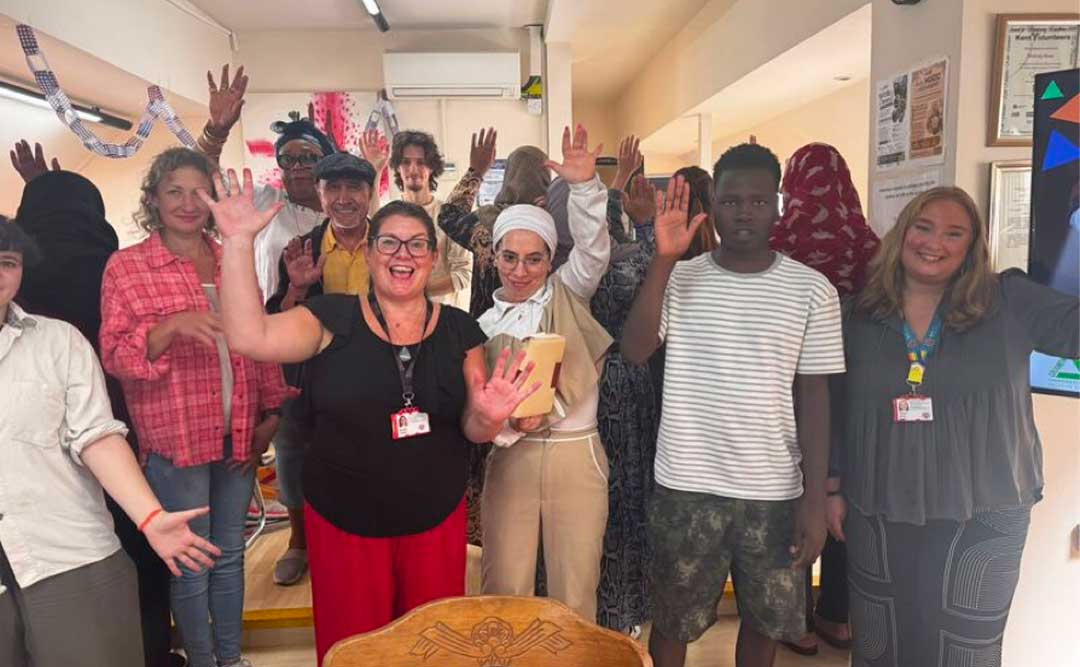
What made the workshop particularly valuable was the diversity of the participants. People came from different backgrounds, cultures and communities, bringing different experiences and perspectives.
For some, language barriers can make it difficult to access emergency information available elsewhere, particularly when guidance is complex or delivered through unfamiliar systems and channels.
The workshop created an accessible and welcoming space where participants could learn, ask questions and share their experiences.
Diversity as a Strength
The diversity of the group was not simply a feature of the workshop; it was one of its greatest strengths.
Different languages, cultures and lived experiences enriched the conversation. Participants learned from the facilitators, but also from each other.
For some, the workshop provided an opportunity to access important information in a format that felt clearer, more relevant and easier to engage with than information they might encounter elsewhere.
Language should not be a barrier to knowing how to stay safe.
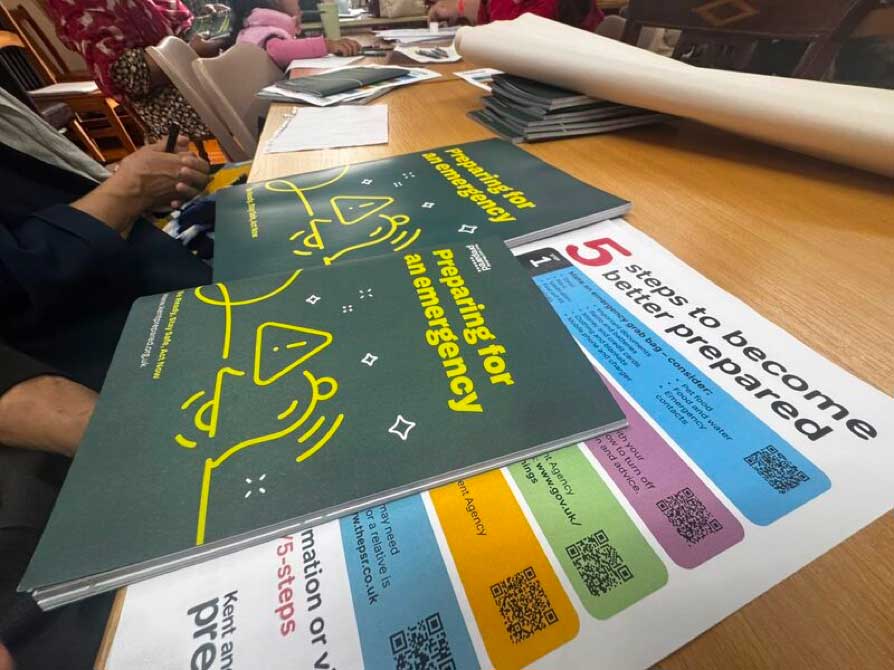
Practical emergency-preparedness resources helped turn information into something participants could explore and use.
From Information to Action
The workshop moved beyond simply sharing information. Through presentations, group discussions and practical community-mapping activities, participants explored local risks, preparation, reliable sources of support and the community connections that can help during difficult situations.
A flood or severe storm, for example, can quickly disrupt transport, communications, homes and access to essential services. Knowing where to turn and knowing that there are people and organisations who can help, can make a real difference.
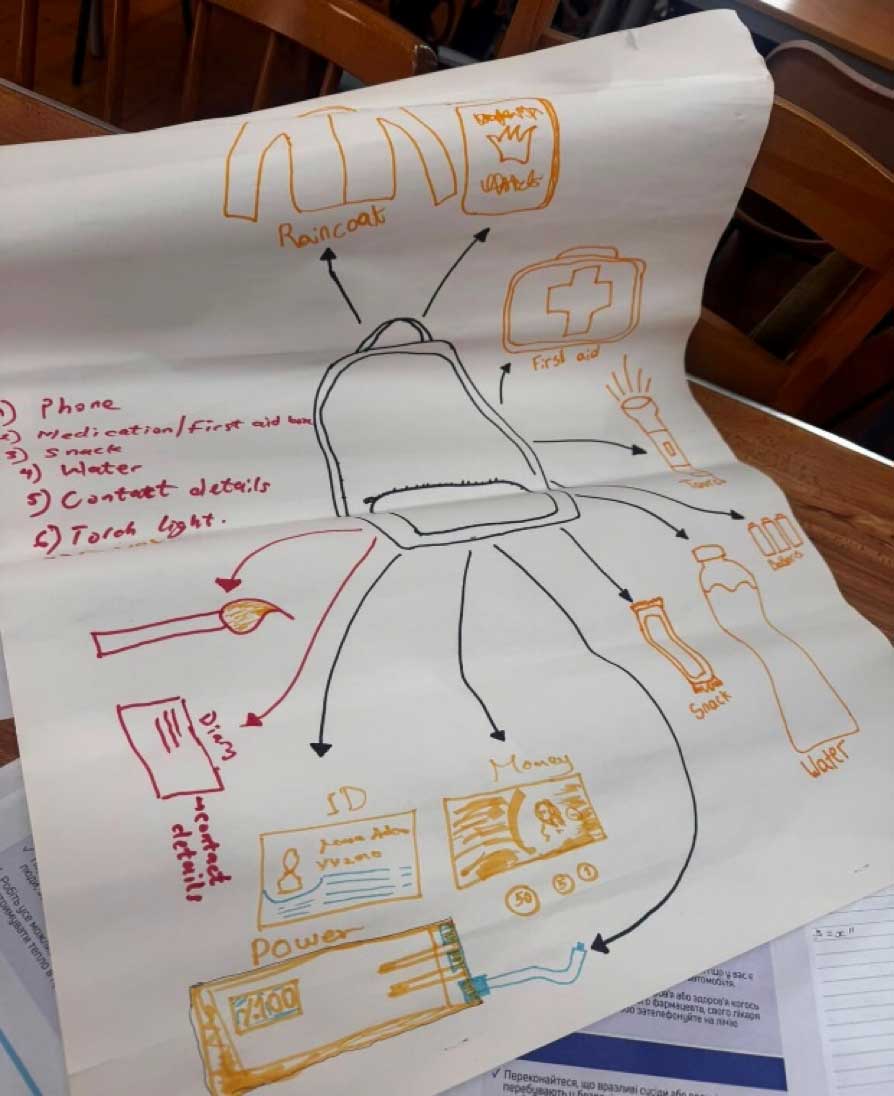
Community mapping encouraged participants to identify local resources, risks and sources of support.
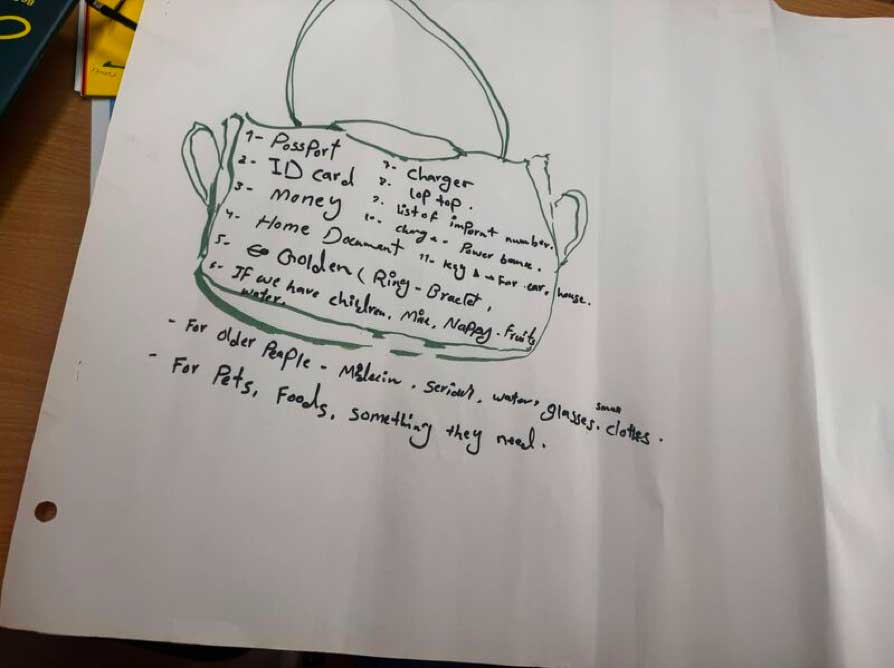
Participants mapped practical needs and support, highlighting the value of local knowledge.
The Power of Partnership
The collaboration with Communities Prepared at Groundwork demonstrated the value of organisations working together to make important information more accessible and engaging.
Joint planning allowed the workshop to respond to both participant needs and delivery requirements, combining specialist knowledge with community insight.
For Diversity House, meaningful community engagement means people should not simply receive information. They should have the opportunity to understand it, question it, share their experiences and use it.
Let’s Build Resilience Together
The workshop was more than an emergency-preparedness session. It was an example of collaboration and inclusion in action.
It showed what can happen when organisations work together, when barriers to information are recognised, and when diverse communities have space to contribute.
We thank the Communities Prepared team for working with us and everyone who took part, shared their ideas and contributed to the conversation.
How is your organisation helping communities prepare for emergencies?
We would love to hear from community groups, organisations and individuals who are working to make emergency preparedness more accessible and inclusive. Get in touch with Diversity House to share your experience, explore partnership opportunities or discuss how we can work together to strengthen community resilience.
Resilience is built together — and everyone should have a place in that conversation.