

Culinary Inquiry: Bridging Community Cohesion and Participatory Research at Diversity House
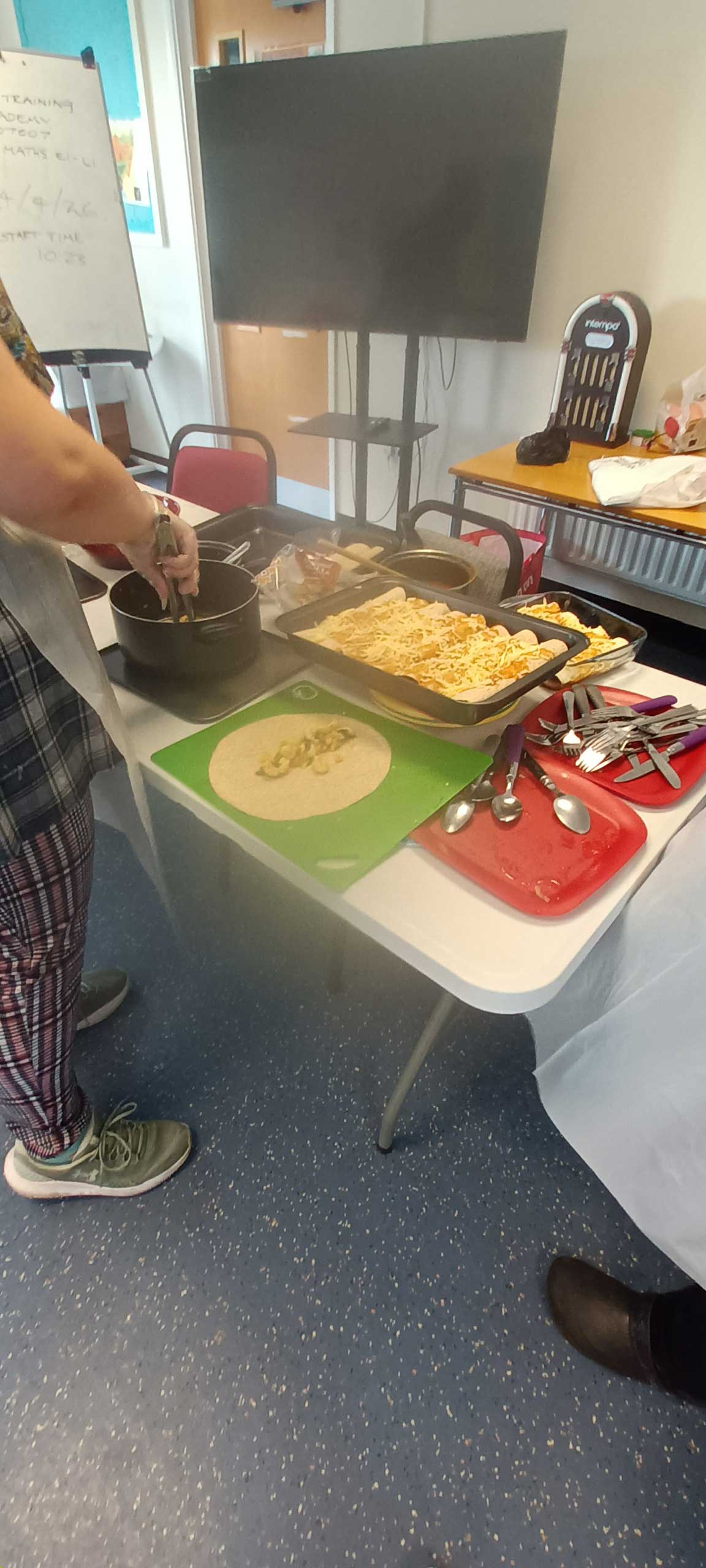
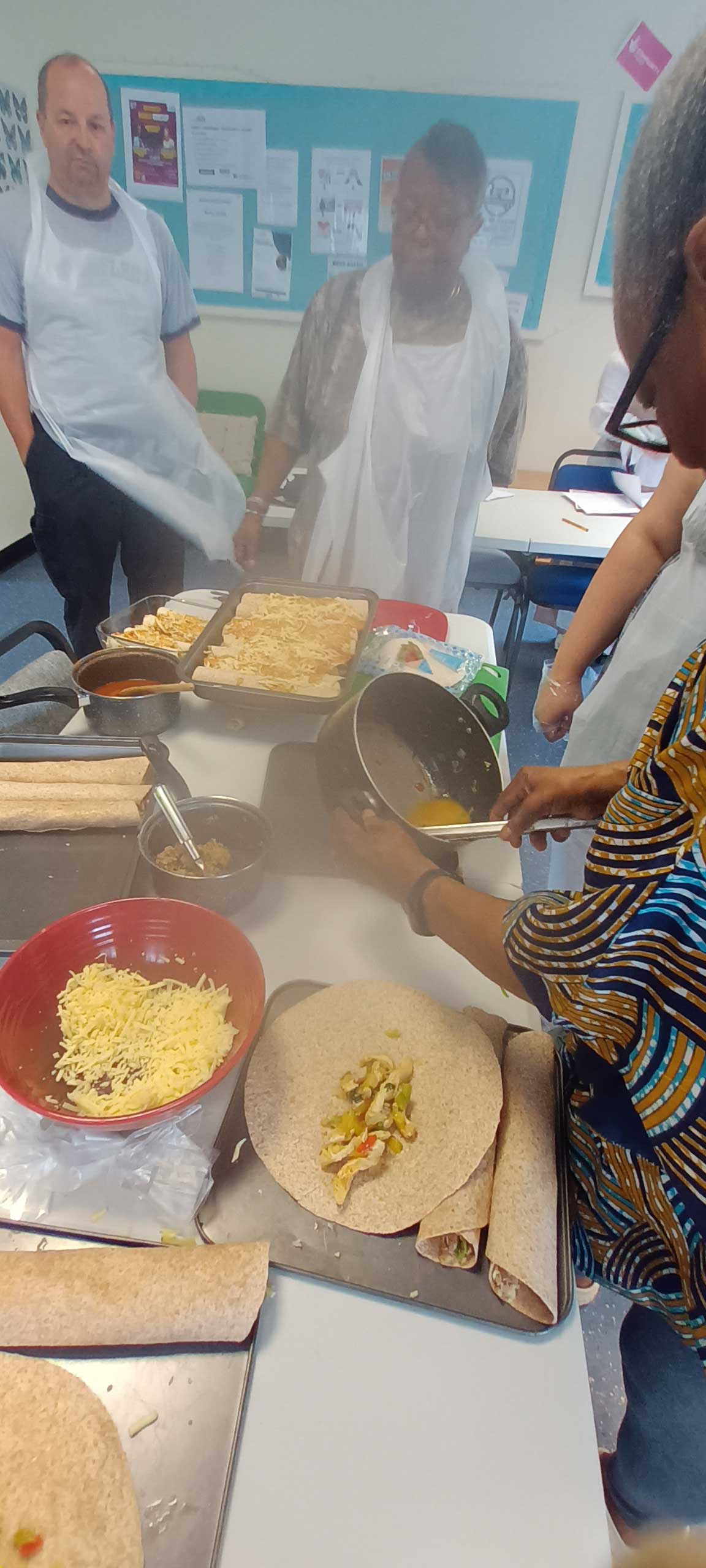
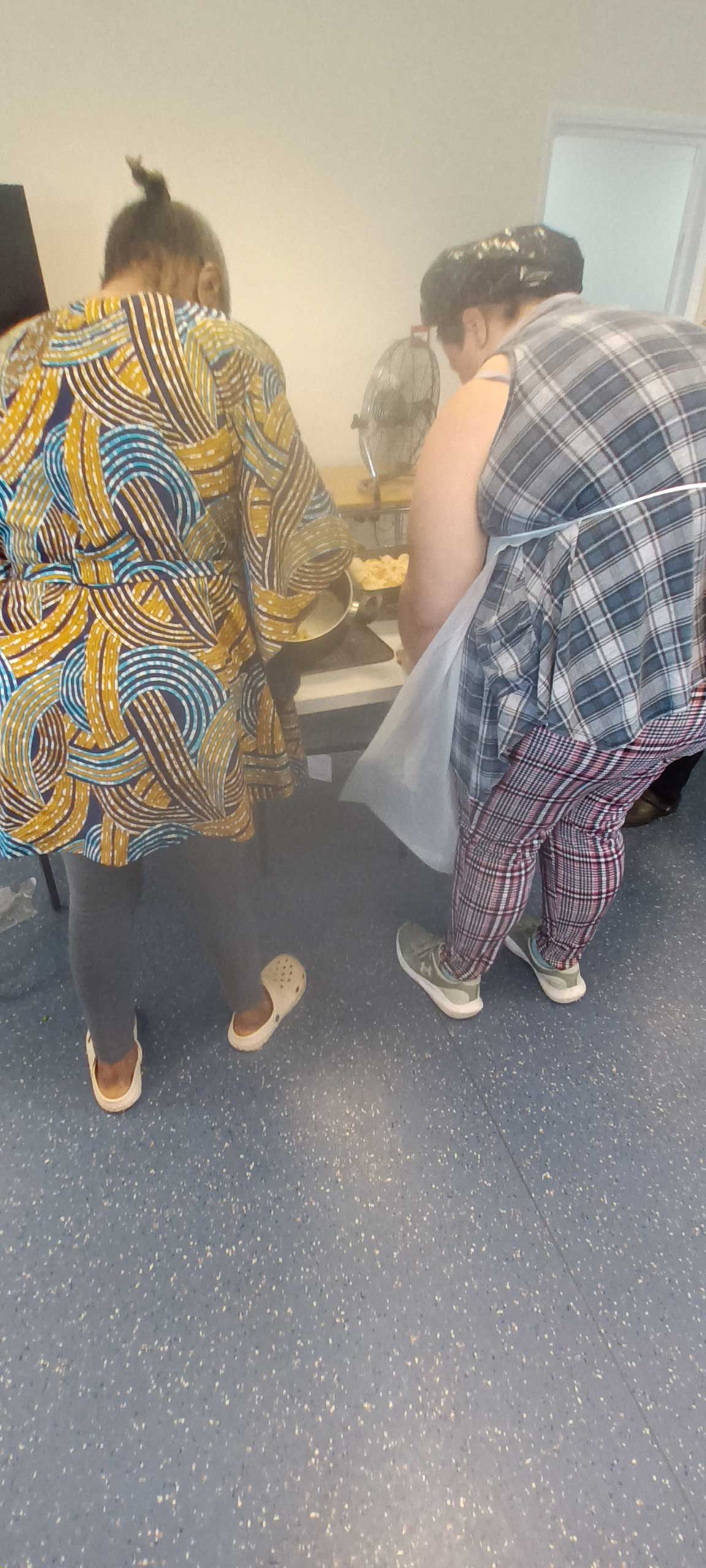
In the professional landscape of social integration, few environments are as revealing or as transformative as the communal kitchen. At Diversity House, our current 12-week cookery course serves as a vital nexus where nutritional education, social advocacy, and academic inquiry converge. While the immediate sensory experience is one of shared flavours and cultural exchange, the underlying structure of the program is a sophisticated exercise in community-based participatory research (CBPR).
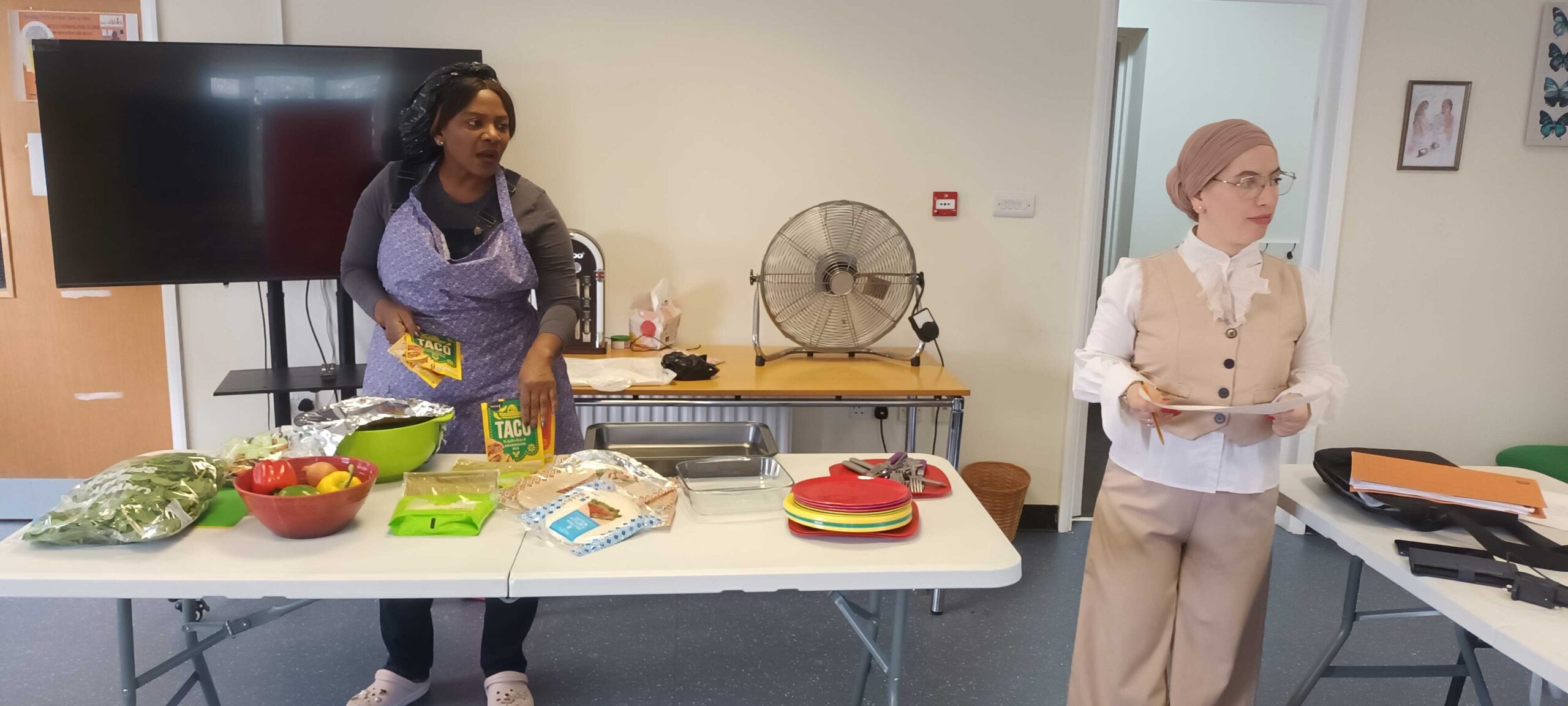
A Regional Hub for Kent and Medway
Diversity House has long operated as a focal point for social inclusion across the Kent and Medway regions. This course is a testament to our regional reach, drawing participants from Swale and beyond to create a microcosm of Kent’s diverse demographic.
A critical element of our success is the strategic collaboration with different universities, schools, charities, businesses and organisations. By facilitating a shared space for these communities, we are not merely “running a class”; we are actively dismantling the silos that often isolate different cultural groups within the region. This cross-pollination of organisations is essential for fostering a resilient, integrated social fabric.
The Kitchen as a Field of Inquiry
What distinguishes this program from standard community workshops is the integration of ongoing, high-level research. The sessions are designed as a “living laboratory” where Diversity House researchers bridge the gap between traditional academic theory and grassroots social action, utilising the kitchen as a site for ethnographic observation and qualitative data collection.
Our methodology is grounded in “hearing the service-user voice.” Throughout the 12 weeks, we utilise several research instruments.
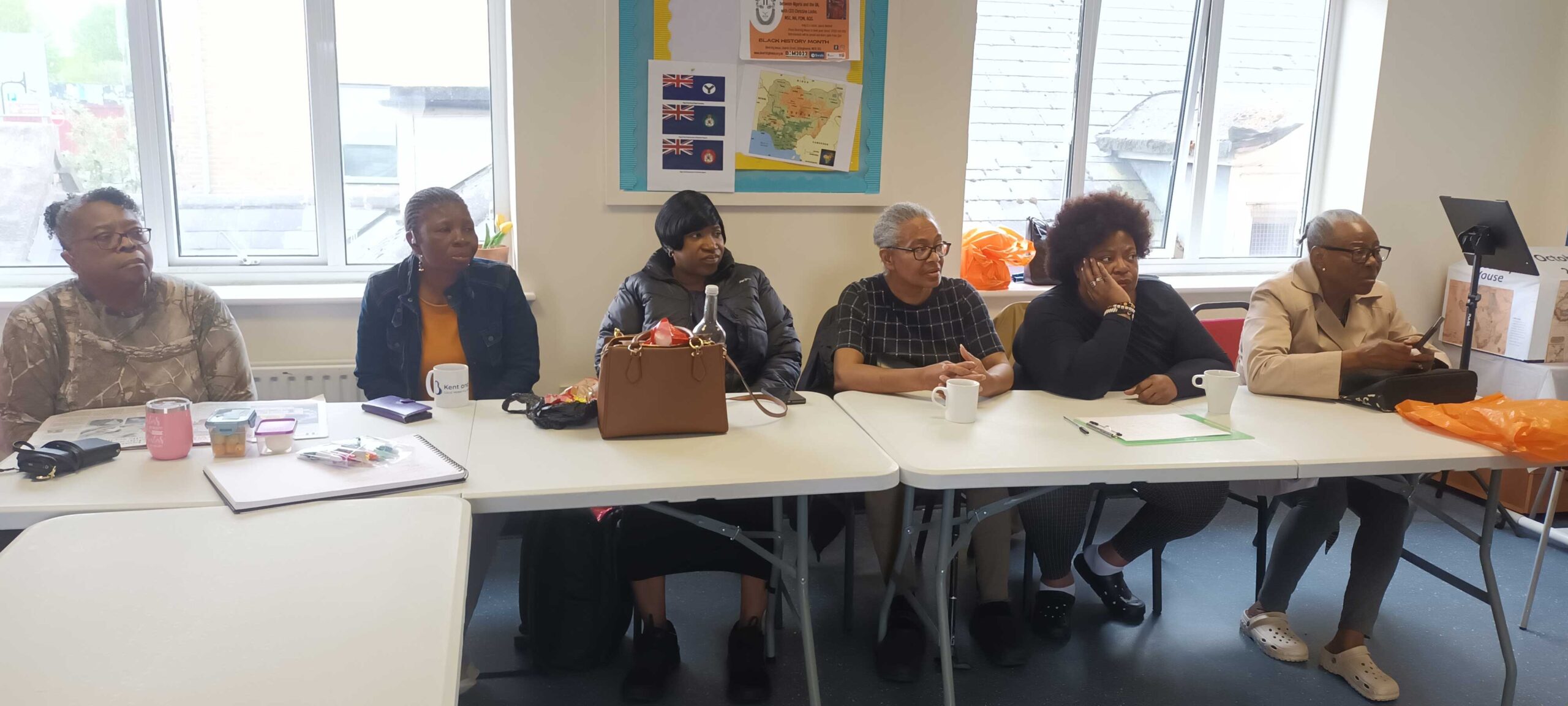
By discussing the challenges and successes of the current healthcare system, we have gathered invaluable insights that directly reflect the community’s needs regarding the NHS Five-Year Plan. This ensures that our service users are not just passive recipients of care, but active contributors to policy-level suggestions.
- Ongoing Ethnographic Observations: Capturing the nuances of social interaction and the development of “social capital” in real-time.
Informal Dialogues and Semi-Structured Interviews: Allowing participants to share their narratives in a low-pressure, familiar environment.
Focus Group Discussions: These sessions move beyond the culinary to tackle systemic issues. For example, a recent research focus group discussions helped NHS Kent and Medway find out what matters most to people about their health and about what is important in the NHS. Through exploring the lived experiences of our service users, we make sure our community is heard as plans are made.
The Multi-Layered Impact: A Psychological Perspective
From a researcher’s lens, the impact of these sessions is multi-dimensional, offering significant psychological and sociological outcomes.
“We do not simply provide a service based on assumptions. We listen, we document, and we adapt. At Diversity House, the ‘secret ingredient’ is the voice of the participant.”
- Psychosocial Wellbeing: The kitchen acts as a “third space”—a sanctuary where the act of creative production (cooking) serves as a catalyst for decompressing and reducing the cognitive load of social isolation.
Community Cohesion and “Breaking Bread”: The sociological act of sharing a meal facilitates “bonding” and “bridging” social capital. It breaks down barriers more effectively than formal dialogue alone.
Empowerment and Self-Actualisation: Mastering culinary techniques and nutritional literacy provides a sense of agency. This confidence often ripples outward, encouraging participants to engage more fully in other aspects of civic life.
Driving Future Strategy through Data
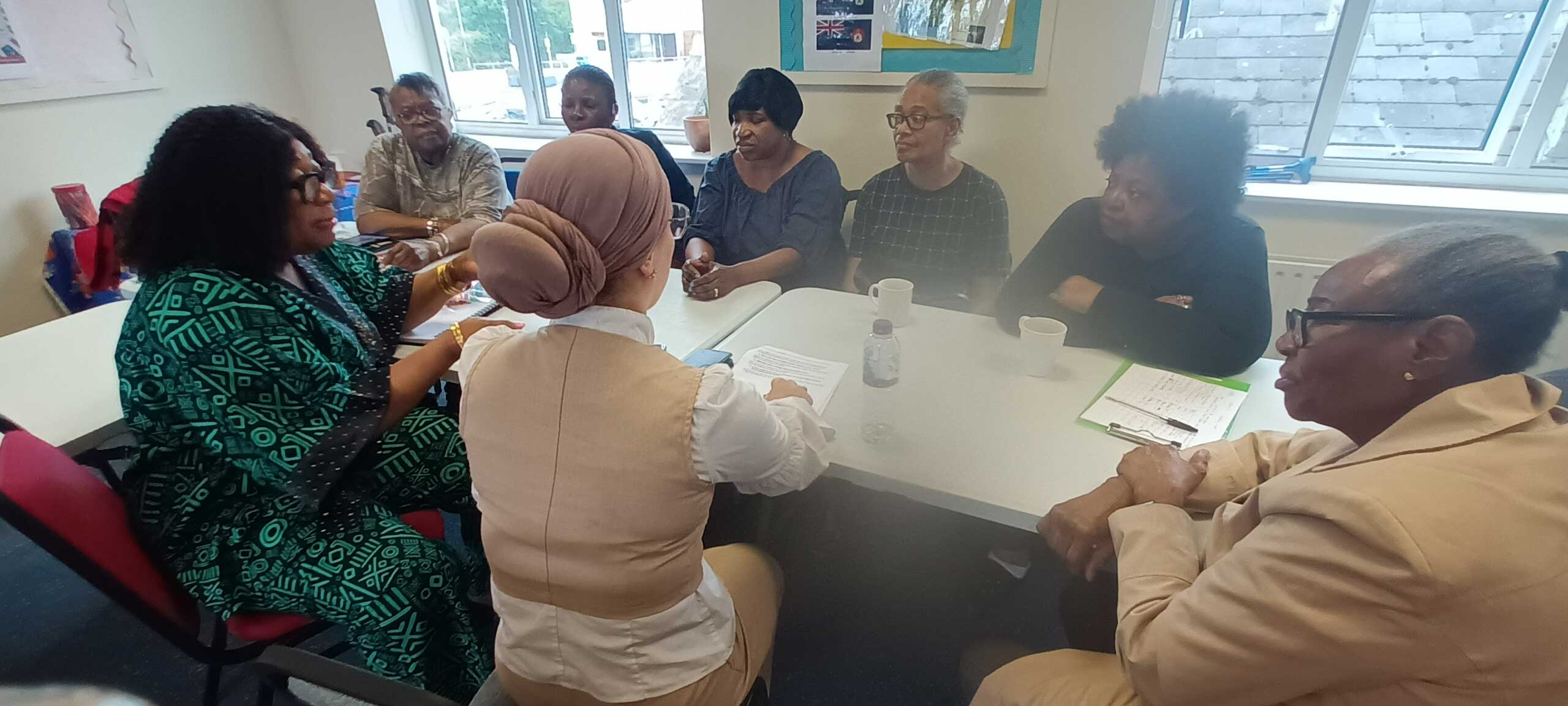
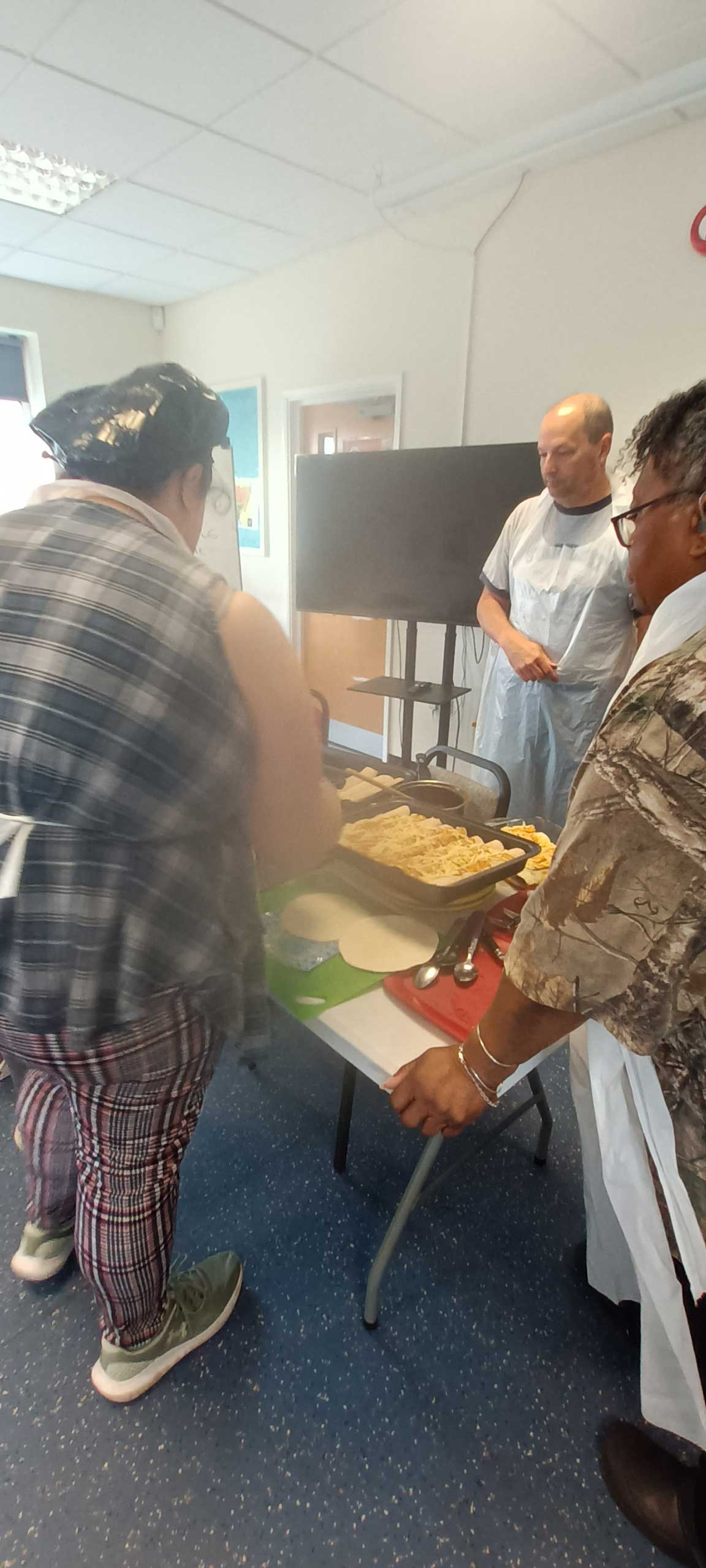
The data collected by the research team at Diversity House is fundamental to our institutional evolution. At Diversity House, our philosophy is simple but empowering: We do what our service users tell us they need.
By conducting a continuous “needs analysis” during these sessions, we ensure that our future activities are not just well-intentioned, but strictly evidence-based. We are transforming “informal chats” into actionable data that helps us organize future projects tailored to the health, wellbeing, and social needs of Kent and Medway.
Join the Journey
We invite all stakeholders, partners, and community members to observe the progress of this 12-week journey. We are not just cooking; we are researching, learning, and building a more inclusive future, one conversation at a time.
- When: Every Wednesday
- Time: 10:30 AM – 12:30 PM
- Location: Diversity House, ISP House, Church Street, Sittingbourne, ME10 3EG
Stay tuned as we continue to sharpen our skills and our insights for the weeks ahead.